The line of the kings of Israel was worn thin and lost in the hamlets and peasant-fields. A foreign people ruled the land, and they were cruel to the daughters of the land. All our prophets had been mute or false for years, four hundred years.
But, like thin grass from pavement-stones, strange rumors sprang from the silence. A new king, the greatest of them all, was coming. Silk-turbaned men of knowledge came from far away to read the prophecies of Israel’s stars. The high priest went mute at seeing something in the Temple. A prophetess too old to lie said that she had held the Messiah in her arms. And I knew a shepherd (he passed long ago; he was the last of that generation of hard, quiet men) who told me of a newborn God whom he found lying in a manger like an unblemished lamb. A flock of angels had sent him to the child, he said, angels who visited the sheep hills one night. They saturated the wild places with joy.
Then little was said for twenty years, or maybe more. There was only a brief stir over a bright boy—more than that, a child-prophet—who spent three days in the Temple. He spoke wisdom, but also foolishness, foolishness that if it wasn’t true was the worst of heresy. And then he was gone again.
But then came news of a carpenter with strong hands who was simple with the simple-hearted but, to the riddles of his questioners, gave riddles in response. He healed the hurt children and the meek and the demon-ridden but attacked the sly with an honest whip. He spilled their coins across the Temple courts for the pigeons and the street-sweepers to gather up.
The odd thing is, he died. He had seemed to have the prophecy of the dead and the favor of the living at his back, but then everything went wrong. The priests of the stony prayers and sly ways won in the end. We had thought the riddler, the healer, the shepherd’s anointed one, had spoken words of life and held the keys of secret power. But they defeated him. The Romans tortured him to death. I saw him dead, limp, torn. I was disgusted with what remained of his body.
You say you saw him resurrected? Ah, you Greeks have strange stories of a god of revelry reviving after long winters. But we thought he would be a king, on a horse, with a revolution riding on his bravery, a prince who would throw the Romans from his rightful throne. I think too small, you say? Our politics are too small?
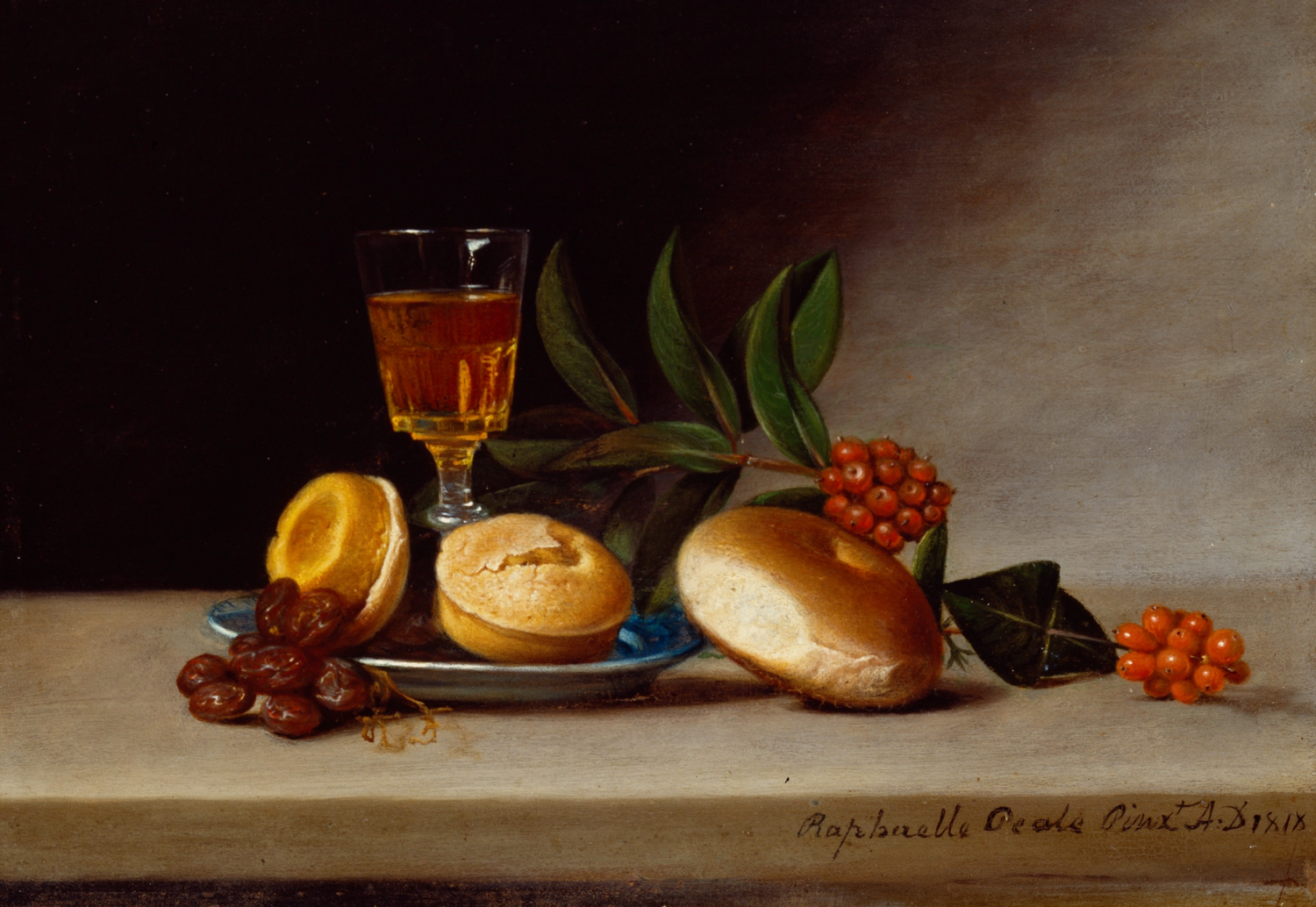
I do recall the time—my memory is dim now, I am growing old—when his fisherman friends asked if it was right to fund a Satanic state with taxes they hadn’t a denarius to pay. The Riddler sent them fishing. (They always caught plenty when he told them where to cast their net; he liked to use his prophecy in ways profitable to the small people). When they found a fish with a bright coin choked in its mouth, he said, “Give to Caesar what bears his image,” and they laughed, “May he choke on it likewise!” The Riddler hastened to add, “You give to God what is God’s”; and if memory serves, he set a feast of fire-seared fish and bread from God-knows-where. He seemed more concerned for the party than the civic lesson; he called free rejoicing the true religion. That’s right, he turned water into wine, sometimes, and he told his followers to eat and drink, and drink and eat, when they needed a reminder of who he was. If anyone would die and resurrect to obviate a revolution’s shouting and stabbing and crowning, it would be him.
Perhaps. Perhaps he’s pouring wine in peasant inns, and breaking bread by sunrise campfires on the shore, even now. He was always king, crowned forever king, in the hearts of the people of the land.